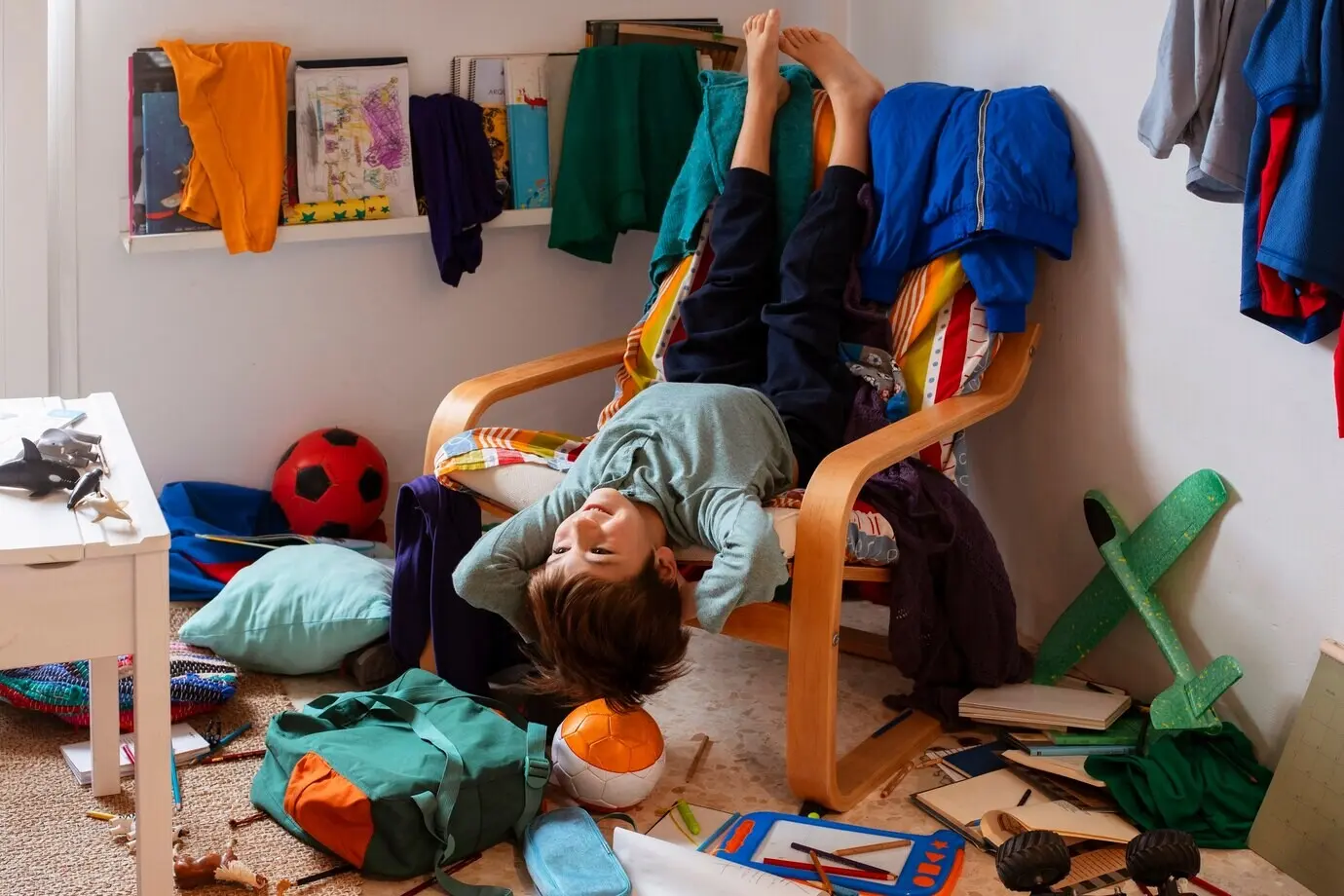
Five Minutes, Big Smiles: The Toy Sweep Game
Why Short Bursts Transform Cleanup
01
Momentum Beats Perfection
Perfection can paralyze kids and adults alike, but momentum invites progress. The five-minute structure sidesteps debates about perfect order by rewarding action and noticing what gets done. Children learn that effort matters, and rooms feel lighter sooner. End quickly, cheer loudly, and leave something easy for tomorrow. Tell us how momentum felt in your home, and whether a small countdown helped your child start without overthinking or arguing about every tiny decision.
02
A Timer That Feels Like Play
The timer reframes cleanup as a lively event. It offers a neutral, friendly countdown that reduces parent-child power struggles and adds a beat to every move. Simple visuals, like a sand timer or kitchen timer, bring anticipation without intimidation. Choose sounds that spark smiles, not stress. If you’ve found a tone or bell that creates excitement, drop your suggestion for other families to try, and let us know which signal suddenly made cleanup feel like a game show.
03
From Resistance to Ritual
Repeating the same friendly steps builds predictable comfort: announce the sweep, start the timer, move together, celebrate the finish. Children learn what to expect and feel ownership over the flow. Rituals reduce nagging because the pattern carries the work. You, too, can relax into a rhythm. Share how many days it took before your family began anticipating the signal and how that shifted evening energy from conflict to cooperation.

Set It Up in Seconds
Motivation That Lasts Without Bribes

Praise What You Want Repeated
Invite Choice and Control

Track Streaks and Celebrate Consistency
Adapting for Ages and Needs
Toddlers: Big Movements, Simple Directions
Preschoolers: Stories, Roles, and Colors
School-Age Kids: Friendly Metrics and Mastery
Make It Musical and Magical

Troubleshooting With Real Families
From Quick Game to Lasting Habit