Five Minutes, Big Smiles: The Toy Sweep Game

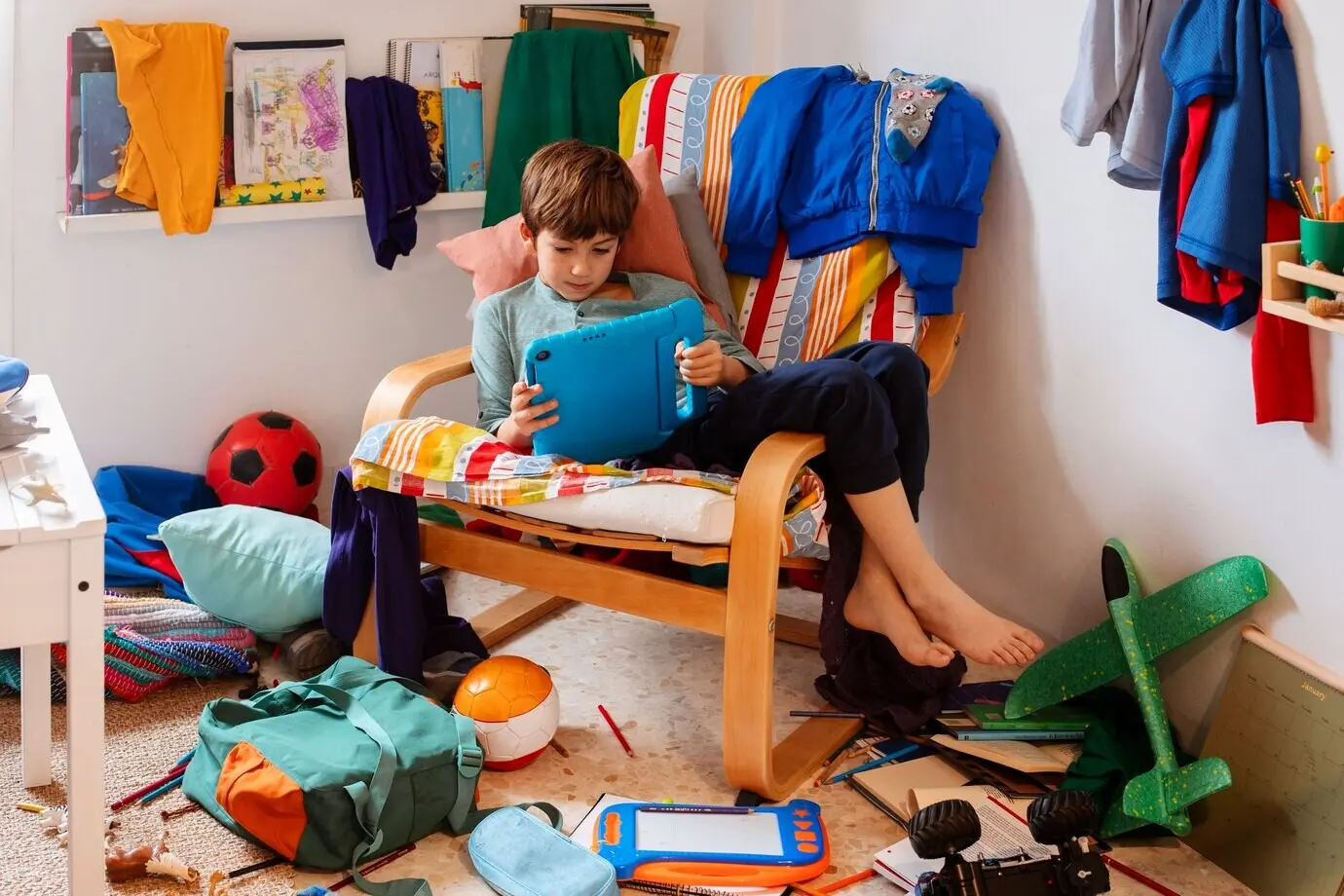
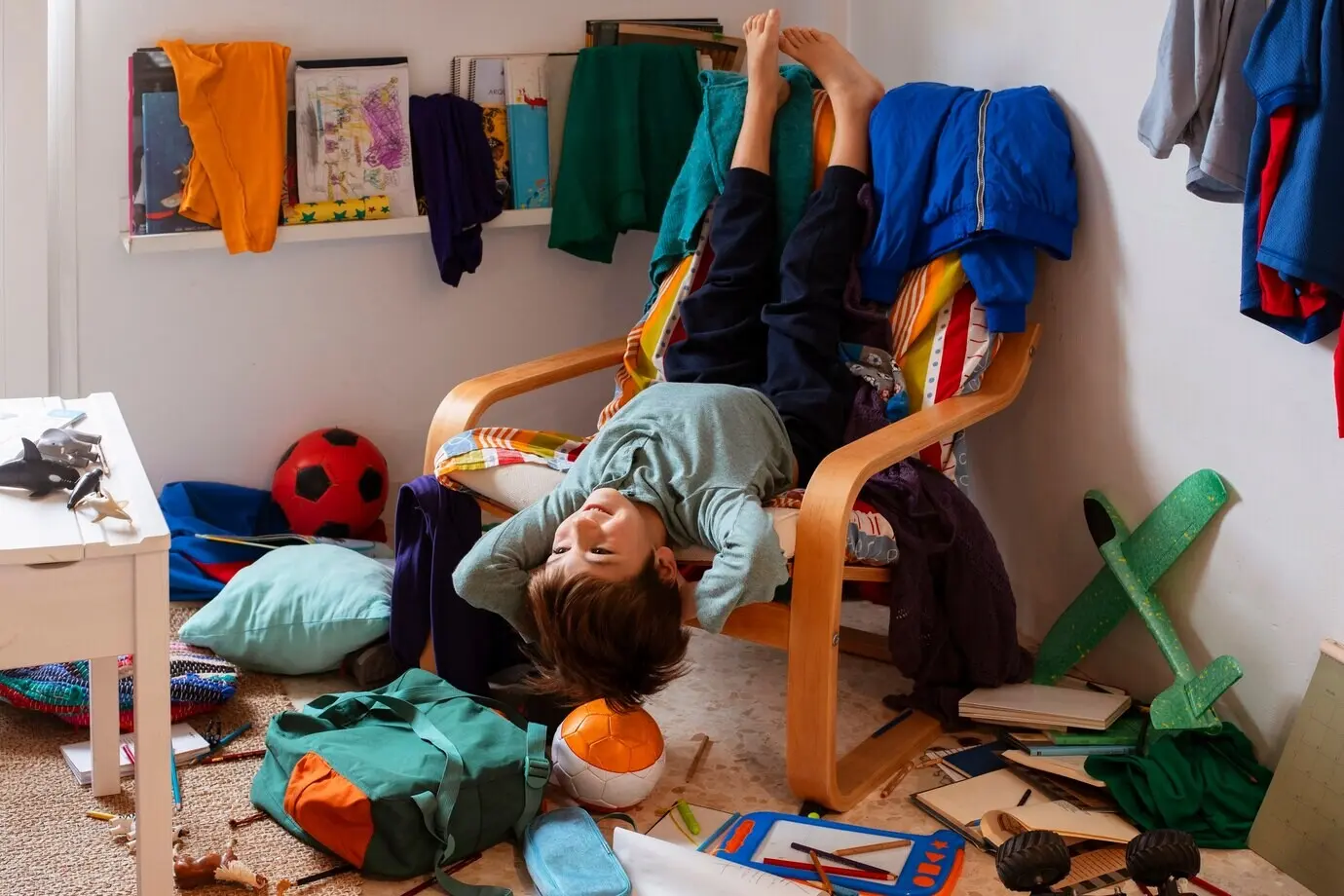
Meet the Kids’ Five-Minute Toy Sweep Game, a fast, joyful cleanup burst that turns scattered blocks, dolls, and cars into a triumphant finish line. Grab a timer, a basket, and a favorite song; then watch motivation bloom as children practice focus, teamwork, and responsibility. This tiny ritual builds big habits without nagging, invites laughter, and leaves rooms reset for play or bedtime. Try it tonight, share your best sweep soundtrack with our community, and tell us how many dinosaurs, puzzle pieces, or runaway crayons your family rescued before the bell.

Why Short Bursts Transform Cleanup

Children thrive on clear beginnings, quick wins, and a celebratory ending. A five-minute window narrows attention, encourages movement, and prevents fatigue before it starts. The time boundary feels safe and exciting, like a race with friendly rules, not pressure. Research consistently shows short, focused sprints help young learners sustain attention and feel capable. By ending on a positive note, you create anticipation for next time. Share your experience in the comments, especially how your child’s mood shifts when the clock becomes a playful partner instead of a silent critic.

01

Momentum Beats Perfection

Perfection can paralyze kids and adults alike, but momentum invites progress. The five-minute structure sidesteps debates about perfect order by rewarding action and noticing what gets done. Children learn that effort matters, and rooms feel lighter sooner. End quickly, cheer loudly, and leave something easy for tomorrow. Tell us how momentum felt in your home, and whether a small countdown helped your child start without overthinking or arguing about every tiny decision.

02

A Timer That Feels Like Play

The timer reframes cleanup as a lively event. It offers a neutral, friendly countdown that reduces parent-child power struggles and adds a beat to every move. Simple visuals, like a sand timer or kitchen timer, bring anticipation without intimidation. Choose sounds that spark smiles, not stress. If you’ve found a tone or bell that creates excitement, drop your suggestion for other families to try, and let us know which signal suddenly made cleanup feel like a game show.

03

From Resistance to Ritual

Repeating the same friendly steps builds predictable comfort: announce the sweep, start the timer, move together, celebrate the finish. Children learn what to expect and feel ownership over the flow. Rituals reduce nagging because the pattern carries the work. You, too, can relax into a rhythm. Share how many days it took before your family began anticipating the signal and how that shifted evening energy from conflict to cooperation.

Set It Up in Seconds

You only need a timer, a collection bin, and a simple rule set to launch. Announce the start clearly, point to the bin, and name zones: floor first, then couch, then corners. Safety matters, so tuck breakables and slippery items away. Keep pathways clear and expectations kind. A short pep talk, a shared breath, and a fun playlist can transform the vibe. Post your photo of the bin you use and the room that surprised you by resetting faster than you imagined.

Motivation That Lasts Without Bribes

External rewards fade, but pride, choice, and playful identity endure. Celebrate effort and teamwork, not only spotless shelves. Offer small choices—music, starting zone, or leader—and watch ownership bloom. Build streaks on a calendar so progress feels visible. Name the fun: rescue ranger, toy pilot, puzzle detective. When children feel like heroes, initiation becomes easier. Share your family’s creative identities, whether your child became the Block Boss or the Stuffed Safari Guide, and how that playful label kept cleanup momentum strong all week.

Praise What You Want Repeated

Notice specific actions: quick scoops, careful stacking, or returning puzzle pieces to the right lid. Specific praise clarifies expectations and magnifies competence. Avoid evaluating the child’s character; highlight strategies and effort. Over time, these micro-wins build a durable sense of capability. Let us know how your child reacted to targeted acknowledgment, and whether naming techniques—like the two-handed scoop—encouraged creative problem solving during the next sweep.

Invite Choice and Control

Autonomy fuels engagement. Offer meaningful options: choose the playlist, pick the bin color, or declare the first zone. These tiny decisions signal respect and reduce resistance. Children lean in when they feel trusted. Keep choices limited to avoid overwhelm, and hold boundaries kindly. Share which options worked in your home, and whether rotating roles—leader, timer captain, cheer captain—kept interest high through busy school nights and sleepy weekends.

Track Streaks and Celebrate Consistency

Consistency beats intensity for family routines. Mark a calendar, sticker chart, or magnetic tracker with each completed sweep. Watch patterns appear and energy stabilize. When a streak breaks, simply restart without scolding. A playful reset preserves confidence and keeps the tone light. Post a snapshot of your tracker layout, and tell us which milestones—five days, two weeks, a month—felt most motivating for your child and sustainable for your schedule.

Adapting for Ages and Needs

No two children approach cleanup the same way. Toddlers benefit from short, silly prompts and mirrored movements. Preschoolers love stories and roles. School-age kids enjoy friendly challenges and clear metrics. Neurodivergent children may need visual schedules, sensory-friendly music, or simplified steps. Break tasks into micro-missions and avoid overstimulation. Keep transitions soft with a warning cue and a breathable pace. Share your adaptations, especially strategies that made the game accessible, inclusive, and genuinely joyful for your unique family context.

Toddlers: Big Movements, Simple Directions

Use oversized motions like sweeping arcs and two-handed scoops to match their developmental stage. Give one instruction at a time, model visibly, and keep music volume gentle. Celebrate every tiny success and reset expectations quickly. Toddlers learn by watching and repeating. Share your go-to phrases, like “big toys to the basket,” and whether mirroring their actions shoulder-to-shoulder helped them start without confusion or worry.

Preschoolers: Stories, Roles, and Colors

Turn objects into characters and assign missions with color cues: red cars to the garage, blue blocks to the dock, plush pilots to their cloud hangar. Roles add purpose and humor while boosting language and categorization. Keep tasks playful and specific, then stamp the mission complete. Tell us the role-play narratives that sparked the fastest cleanup in your home, and which color missions produced the most satisfying before-and-after reveals.

School-Age Kids: Friendly Metrics and Mastery

Invite data and strategy: items per minute, zones completed, or a personal best compared to last Tuesday. Older children appreciate fairness and transparency, so let them verify counts. Challenge them to optimize routes or design faster bin placements. Then debrief what worked. Share your favorite metrics and how they shifted the conversation from arguing to experimenting, making cleanup feel like inventing a better system together.

Make It Musical and Magical

Music is the heartbeat of this quick ritual. Choose upbeat tracks for energy and gentler songs for transitions. Try a freeze moment when the music stops, then resume with laughter. Layer a simple story over the soundscape: toys boarding trains before departure, astronauts returning to hangars, or sea creatures swimming to coral homes. Familiar sound cues reduce friction and lift mood instantly. Post your top three tracks and tell us which moment earns the biggest family grin every time.

Troubleshooting With Real Families

Every household meets hurdles: siblings argue, pieces feel endless, or enthusiasm dips on long days. Keep the structure, shrink the scope, and soften the tone. If five minutes feels impossible tonight, try three. If the room overwhelms, sweep one square. Model calm, keep victories visible, and reset tomorrow without blame. We invite your stories—what snagged, what worked, and which tiny pivot surprisingly restored momentum when nothing else did.

From Quick Game to Lasting Habit

Tiny actions compound. Anchor the five-minute sweep to daily cues like pre-dinner, post-play, or before bedtime reading. Keep the steps consistent and celebratory so habits stick even when energy dips. Rotate fresh music monthly and tweak zones seasonally to prevent staleness. Invite children to teach grandparents or friends, reinforcing identity and pride. Share your anchor point, the milestone when it felt automatic, and how you kept it fresh without losing the simplicity that made it work.
Poritepuxokarepiroroke
Privacy Overview

This website uses cookies so that we can provide you with the best user experience possible. Cookie information is stored in your browser and performs functions such as recognising you when you return to our website and helping our team to understand which sections of the website you find most interesting and useful.