
Reset Your Desk in 3 Minutes, Reset Your Focus
Why Speed Matters Between Meetings

Momentum Over Perfection
Context Cues You Can See
Stress Down, Signal Up
The 180-Second Method: A Simple Sequence
Micro-Tools That Make It Effortless

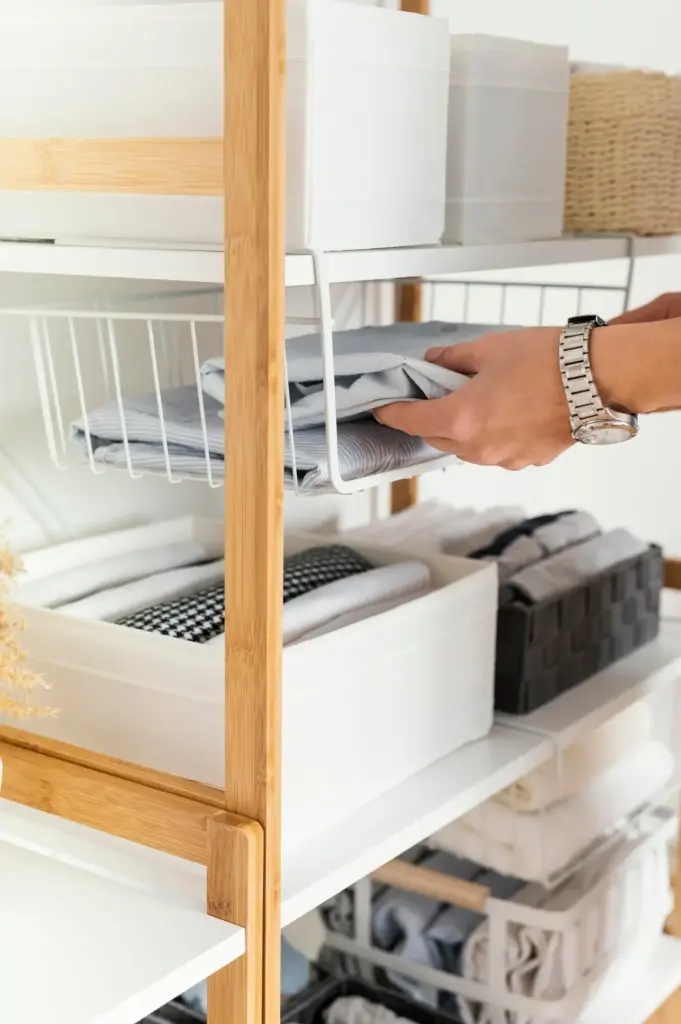
One Tray, Not Ten
Two Sticky Notes, One Marker

Reduce Attentional Residue

Close Loops, Calm the Brain

Environmental Nudges
Remote: Kitchen, Couch, or Corner
At home, surfaces blend with personal life. Use a foldable mat as a visual boundary for work items. When the reset starts, everything not needed leaves the mat. The mat disappears after hours, restoring the room’s purpose. Keep a small caddy holding your notebook, charger, and camera light so you can rebuild quickly each morning. Pets, kids, and deliveries happen; the ritual absorbs turbulence. With every cycle, your home becomes a friendlier partner, separating tasks without sacrificing warmth, flexibility, or spontaneity.
Hybrid: Pack and Rebuild Fast
For hybrid schedules, treat your bag like a portable desk. One zip pouch contains core tools, a short cable set, and sticky notes. A thin folder acts as your traveling tray. Upon arrival, set the folder down, stage the agenda, check audio, and begin. Before leaving, sweep items into the same places so tomorrow’s setup is autopilot. Consistency beats variety here. When your environment changes twice a day, your muscle memory becomes the constant, helping you land quickly no matter the location.
Office: Shared Spaces, Clear Signals
In shared offices, signaling matters. Use a small desk flag or light to indicate heads-down time after the reset. Keep communal clutter at bay by modeling the quick sweep and inviting teammates to try it after standups. Use a common tray for shared materials so personal desks stay clear. The ritual becomes cultural, not personal. When multiple people respect transition time, meetings start sharper and end lighter. The whole floor benefits as conversations feel more intentional, and handoffs become smoother and kinder overall.

Boundaries and Micro-Rituals
Breathe, Blink, Move
Add a thirty-second breath pattern to the reset: inhale for four, hold for four, exhale for six, pause for two. Blink deliberately to refresh eyesight and stand to roll shoulders. These subtle actions reduce tension and invite presence. They also create a physical memory that a transition just occurred. When the next meeting begins, your voice arrives steadier, and your eyes feel kinder on the screen. These moments are not indulgent; they are maintenance, protecting the quality of your communication and decisions.
Protect the 3 Minutes
If your calendar looks relentless, anchor resets with small buffers explicitly labeled with verbs: Clear, Stage, Set. People respect verbs more than vagueness. If interruptions occur, acknowledge quickly and return to the sequence without apology. Protecting this boundary models responsibility, not rigidity. After a week, others notice meetings starting on time and finishing with clear outcomes. After a month, you notice fewer late-night catch-ups because daytime clarity improved. Boundaries are a gift to both you and the people relying on your best presence.
Visual Signals for Colleagues
A simple visual cue communicates more than a status message. Consider a small desk light or foldable sign that appears during the reset and disappears when you are ready. Pair it with a shared norm: three minutes means preparation, not avoidance. Encourage teammates to adopt similar indicators. Over time, mutual respect grows, and interruptions decline. The result is not isolation; it is intentional collaboration where everyone shows up composed. Group rituals turn scattered calendars into coordinated efforts that feel supportive rather than frantic or brittle.

Track with Tiny Data

Weekly Retro, Monthly Tweak